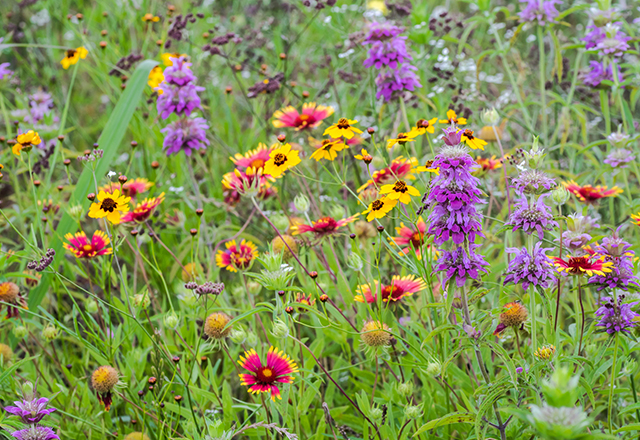
Public interest in plants and gardening has increased in the past several years, especially among millenials1,2,3. As a “zillenial” myself, my social media algorithm has influenced me into plant parenthood as well — starting with houseplants during the pandemic, then transitioning to gardening on my roof deck after moving to Baltimore. Lately, I have taken a particular interest in native plants. Participating in a community planting event at a local park organized by my neighborhood Streetscape Committee has only strengthened my desire to try my hand at cultivating native plants. Here are some things I have learned about native plants so far:
Why Native Plants Are Important
Native plants provide a plethora of benefits for the surrounding area. In an expanding landscape of concrete, monoculture grass and pesticide spray, there has been tremendous habitat loss for our local wildlife. Growing native plants critically helps rebuild the ecosystem for insects and other pollinators4,5. Furthermore, native plants help restore soil health through their deeply penetrating roots, which aerate and release nutrients into the ground6,7. As native plants cycle carbon from the air back into the soil, they simultaneously support a healthier soil microbiome and reduce air pollution4,5,7.
Due to a root system that is substantially deeper than your typical lawn grass or other non-native plants, native plants do a better job of holding the ground in place during windstorms and reducing flooding or mudslides during heavy rain4,6,7. In this way, native plants can help us resolve our landscaping annoyances and reduce storm-related hazards.
I got to see this firsthand during the community planting event I attended, when the Streetscape Committee strategically planned the plant placement to mitigate mudslides that occurred in the park after every heavy rain.
Why Grow Native Plants?
Native plants are a great way to beautify and (literally) bring life back to the space around you. Perhaps the most obvious reason to grow native plants in your own community is to restore the natural habitat of native insects and other wildlife4,5. But pure altruism does not have to be your only motivation. Native plants evolved to live under the exact conditions of your local environment, so they thrive with very little maintenance6,7. In other words, they are a most time-effective and cost-effective way to grow plants! Native plants do not require the same expensive fertilizers, pesticides, or soil amendments that are often required for non-native crops4,7. Native plants are also a cost-saver because they often do not need to be re-planted—many native plants are perennials (surviving year after year). The annuals, which live only one year, produce seeds that fall to the ground and grow new plants the following spring.
In addition to improving the health of the soil and ecosystem, growing native plants promotes mental and physical health. Gardening and nature are associated with increased physical activity and vitamin D exposure8,9. Being around nature increases brain activity in the prefrontal cortex, which is thought to explain how nature can help to improve emotional regulation, attention, executive function and other cognitive functions9.
Additionally, gardening and green spaces reduce anxiety, depression and stress8,9,10. The association of nature with reduction in cortisol levels can mediate the effects of chronic stress on physical health, including by reducing blood pressure, boosting immune function, decreasing cardiovascular disease risk and improving sleep quality9. This may be why green spaces are associated with longevity10.
How To Get Started
Living in Baltimore City, one of the hardest parts of growing plants is figuring out where to do it. Many of us who live in cities do not have access to lawns or yards. As a result, many city residents will resort to the controversial act of guerilla gardening — gardening on abandoned patches of dirt that you do not legally own without the owner’s permission. For those of us with limited outdoor space, some of the most accessible places to grow native plants are in neighborhood tree pits and hellstrips (the patch of dirt between the sidewalk and the road).
These tree pits and the trees in them are technically owned by the city, but residents are responsible for their maintenance. However, to reduce harm to tree roots, the local environmental nonprofit Blue Water Baltimore recommends native perennials for these spaces15. For city residents with outdoor patios, roof decks or even sunny spots by the front stoop, container gardening in larger plant pots is a great option. Alternatively, you can look into reserving space in your local community garden.
Native plants can be grown from seed or by transplanting more established plants. Late fall or winter is the best time to plant native seeds, as some require cold stratification before they will germinate16. Seeds can be collected from existing plants in late fall, acquired through seed libraries, or purchased. Established plants can be transplanted throughout the growing season: in spring after the ground is no longer at risk of freezing, or in fall at least six weeks before the ground is expected to freeze17.
Local plant nurseries often have a native plant section with plants that are ready to be transplanted. With native plants, it is best to embrace a bit of chaos — avoid mowing over the plants, using pesticides that will kill the beneficial ecosystem, and clearing dead foliage that local wildlife depends on during the winter.
Recommended Pollinator-Friendly Plants
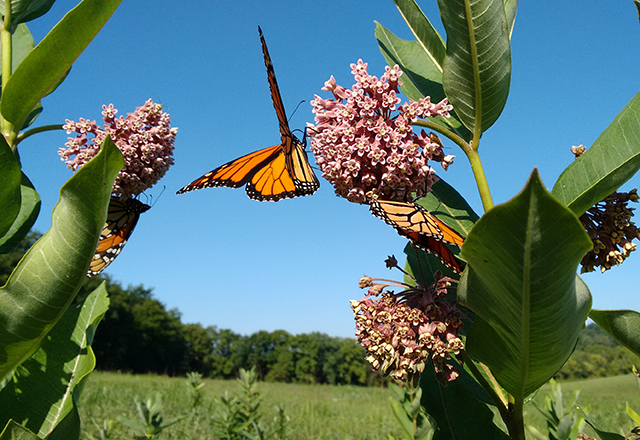
Milkweed: You have probably heard of this plant, and for good reason. Milkweed is the ONLY host plant to the Monarch butterfly, whose population has dropped by 90% in the past 20 years (in large part due to habitat loss of milkweed plants)13,14. While other butterflies will feed on milkweed14, it is the only plant that Monarch butterflies will lay their eggs on and the only plant that Monarch caterpillars will eat13. —that is why milkweed is such an important plant! These perennials like full or partial sun13. They produce summer blooms with a parachute-like shape and colors that range from pink to orange to white, depending on the species13,14. Plant height can also vary across species13. However, these plants are toxic to humans and most other animals13,14. Do not let yourself or your pets eat them, and wash your hands after handling the plant.
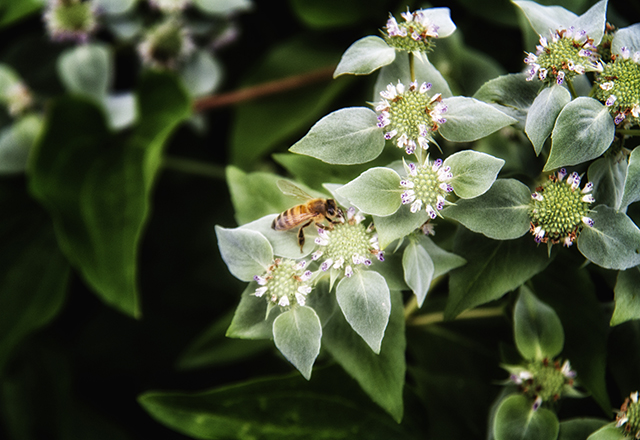
Mountain mint: Named after the minty fragrance they emit when touched, this plant produces small white and green flowers from summer to fall — although there are several species that very slightly in appearance11,12. Mountain mint flowers attract all sorts of pollinators, including bees and butterflies11. As a bonus, they are inedible to deer, which their strong scent helps to deter11. These drought-tolerant plants prefer full or partial sun, growing 1-5 feet tall11,12. Mountain mint leaves can be brewed for tea, and have been used by indigenous groups to treat fever, colds and stomach aches18. These are perennial plants that can be planted once and will come back year after year.
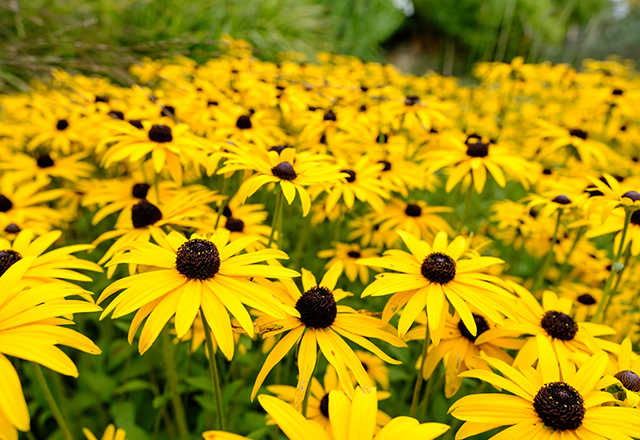
Black-Eyed Susan: The Maryland state flower, with its radiant yellow petals and dark central cone, you are sure to spot this native plant all around Baltimore. This native plant does well in full to partial sun and is drought-tolerant. Its flowers are loved by pollinators; its seed heads are a food source for local bird populations, and it is avoided by deer. There are both perennial and annual varieties that self-seed19.
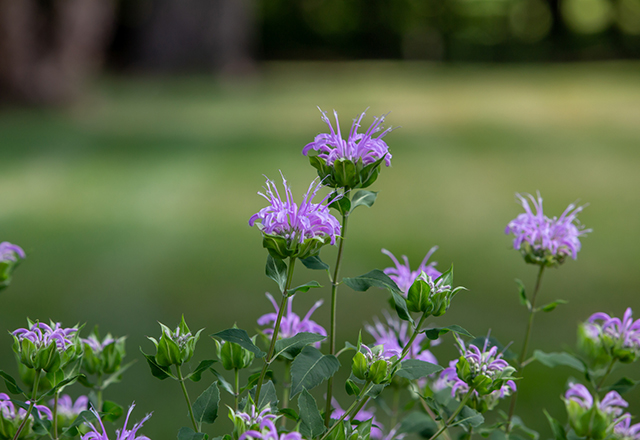
Bee Balm/Wild Bergamot: This plant is loved by pollinators (as its name suggests) and can be brewed to make herbal tea20. Its blooms come in a variety of colors, like bright red, purple, pink and white. Like the Black-Eyed Susan, the seed heads provide food to birds in the fall and winter21. This plant prefers full sun, as well as good airflow and drainage to avoid fungal disease.
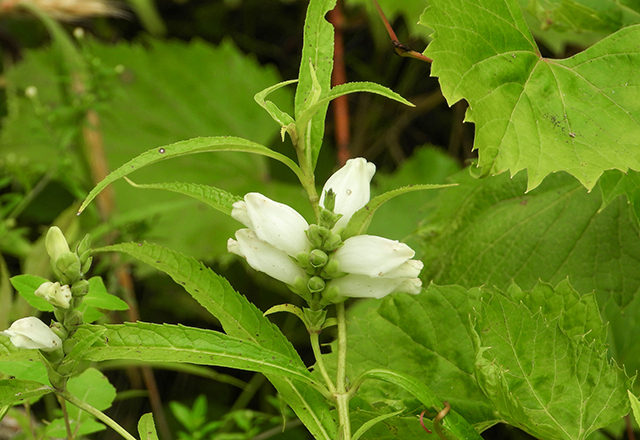
White Turtlehead: Like milkweed, white turtlehead is the sole host plant for a local butterfly species — in this case, the Baltimore Checkerspot Butterfly, which is on the Maryland Department of Natural Resources list of Rare, Threatened, and Endangered Animals22,23. White turtlehead prefers full sun and thrives in moist soil conditions, making it great for areas that are easily flooded during rainstorms. Its late summer blooms are similar to a white snapdragon and resemble the shape of a turtle head (duh!)24.
While this is not an all-inclusive list of everything there is to know about native plants and native gardening, I hope this article inspires you to look more into native plants and maybe even consider growing some of your own!
- https://gardenforwildlife.com/blogs/learning-center/millennials-and-gardening?srsltid=AfmBOoqz86FjrLKOBxPw4jpahW_7wRaAfmoRSPHKZMXlrTthOntPIBo0
- https://www.almanac.com/planning-victory-garden
- https://journals.sagepub.com/doi/10.1177/15248399221102919?url_ver=Z39.88-2003&rfr_id=ori:rid:crossref.org&rfr_dat=cr_pub%20%200pubmed
- https://www.fs.usda.gov/wildflowers/Native_Plant_Materials/Native_Gardening/
- https://homegrownnationalpark.org/6-reasons-to-plant-native/?gad_source=1&gad_campaignid=18308034930&gbraid=0AAAAAo4dHtjup1xRlyKnzZrH6xZ5yvQA3&gclid=CjwKCAjwmenCBhA4EiwAtVjzmkFaph1zteh2p8xHMtS4h-m5YlhHh10kHhbc2bgC6819s_ls8ifV-xoCphkQAvD_BwE
- https://www.pizzonursery.com/role-of-native-plants-in-soil-health/#:~:text=Native%20Plants%20Are%20a%20Solution%20for%20Soil%20Health,-Native%20plants%20work&text=By%20leveraging%20deep%20root%20systems,into%20a%20healthy%20growing%20environment.
- https://www.asla.org/nativeplantssavemoney.aspx
- https://www.mayoclinichealthsystem.org/hometown-health/speaking-of-health/dig-into-the-benefits-of-gardening
- https://pmc.ncbi.nlm.nih.gov/articles/PMC8125471/
- https://pmc.ncbi.nlm.nih.gov/articles/PMC6334070/
- https://theplantnative.com/plant/mountain-mint/
- https://www.missouribotanicalgarden.org/PlantFinder/PlantFinderDetails.aspx?taxonid=293531
- https://theplantnative.com/plant/milkweed/
- https://www.fs.usda.gov/wildflowers/plant-of-the-week/asclepias_syriaca.shtml
- https://bluewaterbaltimore.org/blog/the-dos-donts-of-street-tree-care/#:~:text=Who%20is%20Responsible%20for%20Street,helping%20our%20little%20leafy%20friends.
- https://wildseedproject.net/blog/ideal-time-for-sowing-native-seeds#:~:text=Many%20native%20seeds%20need%20to,in%20the%20fall%20or%20winter.
- https://www.prairienursery.com/resources-guides/when-to-plant/?srsltid=AfmBOoq6Oa-PRr6k4lRQijvnjM5CmE3PzWDeQfdfngDiIuetgus02S5q
- https://bygl.osu.edu/node/505
- https://theplantnative.com/plant/black-eyed-susan/
- https://sowrightseeds.com/blogs/planters-library/wild-bergamot-medicinal-american-wildflower-herb?srsltid=AfmBOoqH0dJy5mbZqUr7-Lz9oVlC4ihsS1eI8w29plti6BJPqyGsZqxX
- https://www.almanac.com/plant/bee-balm
- https://www.fs.usda.gov/managing-land/wildflowers/pollinators/pollinator-of-the-month/baltimore-checkerspot
- https://www.umdbeelab.com/updates/october-21st-2016
- https://grownative.org/native_plants/white-turtlehead/
Related Content
- Small Residential Gardens Can Curb Consequences of Baltimore’s Urban Landscape
- A Plant in Every Lab
- My Form of Meditation
- Does Anesthesia Knock Out Plants, Too?
Want to read more from the Johns Hopkins School of Medicine? Subscribe to the Biomedical Odyssey blog and receive new posts directly in your inbox.
Pingback: When Rain Changes Its Meaning | Biomedical Odyssey
Comments are closed.